



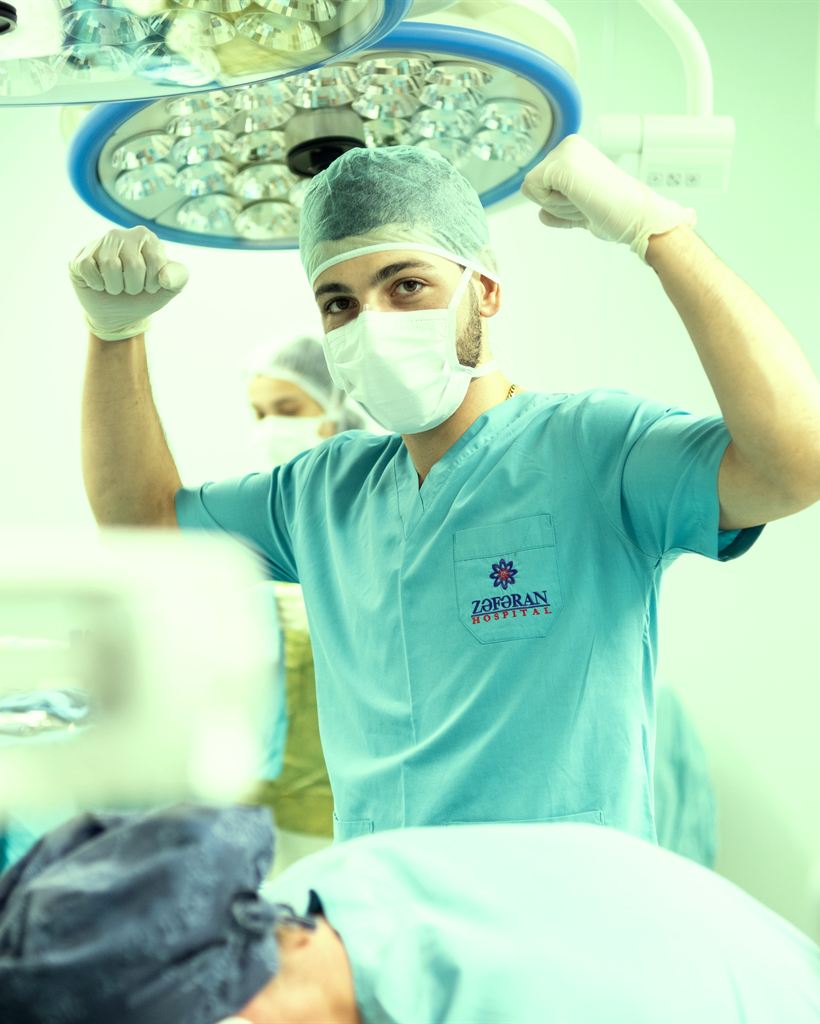
A revision is not a repeat of the first operation. The anatomy has changed, the tissues have been operated on before, and the honest conversation about what is achievable becomes the most important part of the consultation.
Why a revision is different
Previous surgery changes the relationship between the skin envelope, the cartilage framework and the bone. Scar tissue forms, and the support that keeps the nose stable may have been altered.
This means the starting point is not the same as a primary case — and the plan cannot be built the same way.
Previous surgery and scar tissue
The operative report, if you can obtain it, is genuinely useful: it tells the team what was done, which grafts were used and where. Where records are unavailable, current photographs and a careful examination carry more weight.
Scar tissue affects how tissues move and heal, and it is one of the reasons revision planning is usually more conservative.
Structural support and cartilage availability
A stable nose depends on a functioning framework. In revision cases the team assesses whether support needs to be restored and where graft material could be taken if it is required.
Cartilage availability is part of that assessment — the septum may already have been used, and other donor sites have their own considerations.
Functional considerations
Breathing is assessed as carefully as appearance. Internal obstruction, valve issues and septal problems may need to be addressed within the same plan, and they can influence the approach.
Functional and aesthetic goals are discussed together, because they interact.
Planning, expectations and recovery
The plan states the priorities, the limits and what would make the case inadvisable. Improvement rather than transformation is often the honest aim, and that is stated at the beginning.
Recovery follows written instructions and scheduled reviews, with contact continuing after you travel home.
Step by step
- 1 · Records and history — Collect the previous operative report, photographs and any relevant medical records.
- 2 · Assessment — Examination of the current structure, the airway and the soft tissue envelope.
- 3 · Planning — Priorities, approach, graft requirements if any, and the limits of what is achievable.
- 4 · Procedure — Performed in the appropriate medical environment, as set out in your individual plan.
- 5 · Recovery and follow-up — Written aftercare, scheduled reviews, and continued contact after you return home.
Practical points for patients
- Request your previous operative report before the assessment.
- Describe what you would not want changed, not only what you dislike.
- Ask about structural support and whether grafts may be needed.
- Expect a more conservative plan than a first-time case.
Frequently asked questions
How many revisions are possible?
That is a clinical question answered case by case. More surgery is not automatically better, and sometimes the honest advice is to stop.
Is a revision always possible?
No. A clinic may conclude that further surgery is not advisable in your case.
Will breathing improve?
Functional concerns are assessed individually. No outcome can be promised in advance.
Who decides suitability?
The clinician handling your case, after an individual assessment.
Interested in This Treatment?
Send your details to Jelan Clinic and request a personalized consultation with our medical team.
This article is educational information only. It does not diagnose, does not recommend a treatment for you, and does not promise any outcome. The suitability of any treatment is determined by our medical team after an individual assessment.